
Free Yoga Nidra Script for a Quick Nervous System Reset
This quick 15-minute yoga nidra script will help you quickly reset your nervous system into a feeling of relaxation. This is perfect for yoga teachers to share with their students or yoga nidra practitioners looking for their own yoga nidra script and has been created by a certified yoga nidra teacher.
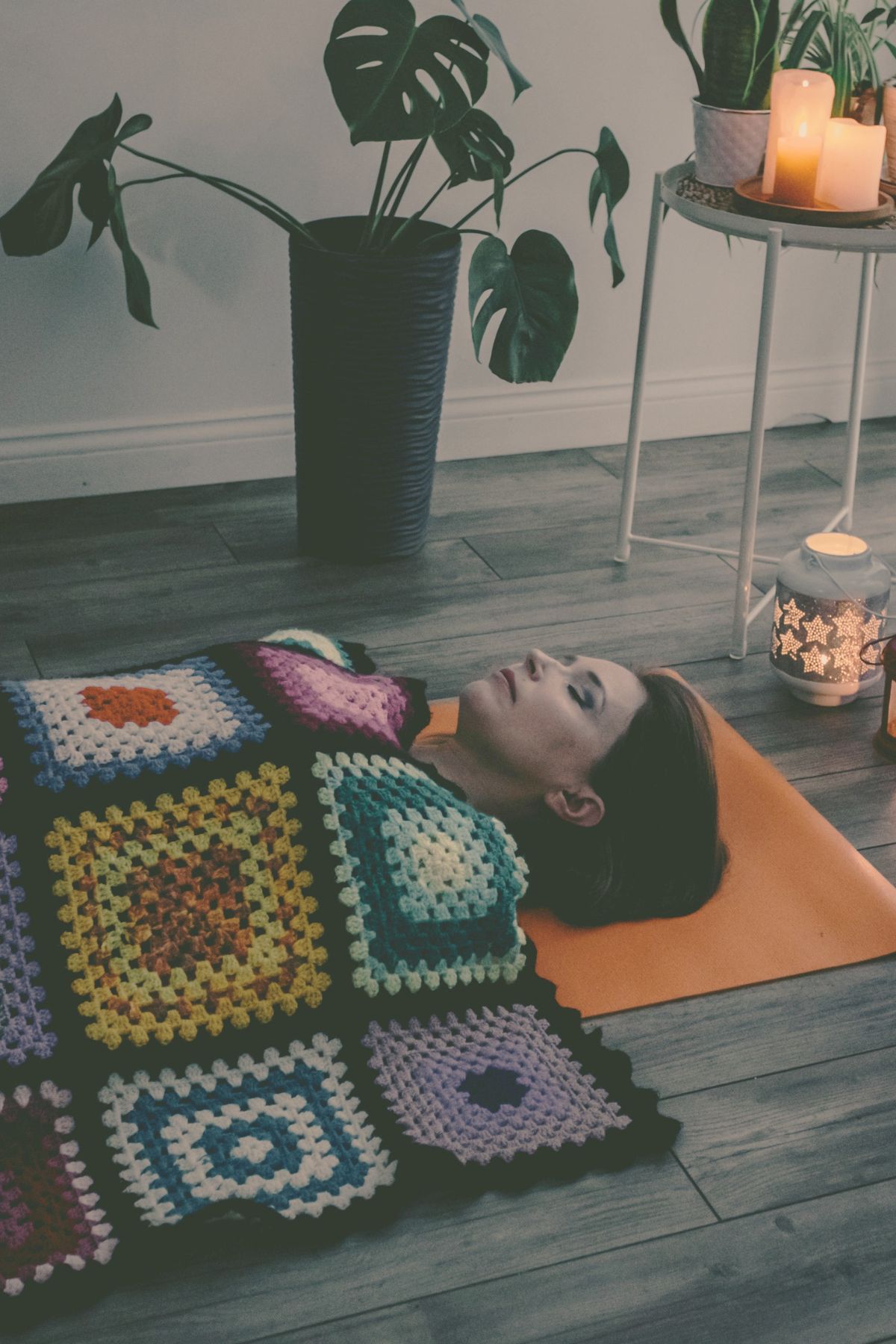
Table of contents
Benefits of Yoga Nidra
Yoga nidra, aka, yogic sleep, is extremely beneficial and impacts all areas of your life. This ancient practice guides you into the state of yoga nidra where your mind is awake with a trace awareness but your body is deeply asleep.
The benefits gained from yoga nidra come from what happens to the mind and body while practicing. The brain slows down, entering into slower brain wave length states which move you deeper into the subconscious mind.
While the body rests it starts to restore itself just as your body does every night when you sleep.
The benefits of yoga nidra are too numerous to list here, but here are some of the major benefits that you can gain from just a single session of yoga nidra.
- Decreased stress and anxiety
- Increase in dopamine, serotonin and melatonin
- Improves your relaxation response
- Serves as a path to find your True Self, Bliss or Freedom which is the ultimate goal of yoga and yoga nidra.
- Better sleep
- Improved insomnia
- Helps recover from illnesses like long COVID
- Increases creativity
- Increases resilience and self-awareness
- Improves capacity to handle emotions
- Improves your thoughts and helps you create thought habits that support a life of joy
Honestly, this list could go on forever.
Unique to the yoga nidra practice is the use of a sankalpa. Your sankalpa is a positive statement that allows you to plant positive seeds of intention deep into the subconscious mind.
Setting up for your practice
Before beginning yoga nidra you will want to set yourself, or your students up for utmost comfort so they can blissfully relax into the practice.
Traditionally yoga nidra is practiced in savasana, however, that posture may not be right for every person practicing.
Other positions that might be right include:
- Side-lying
- Sitting up against a wall
- Inclined savasana
Use as many props as needed for the practice. Props include but are not limited to:
- Bolsters– These can be used under the knees or to prop in an incline position
- Yoga Blocks– Used under the bolster for inclined savasana
- Pillows– can be used under the head, knees, or anywhere you feel called to give the body extra love and support.
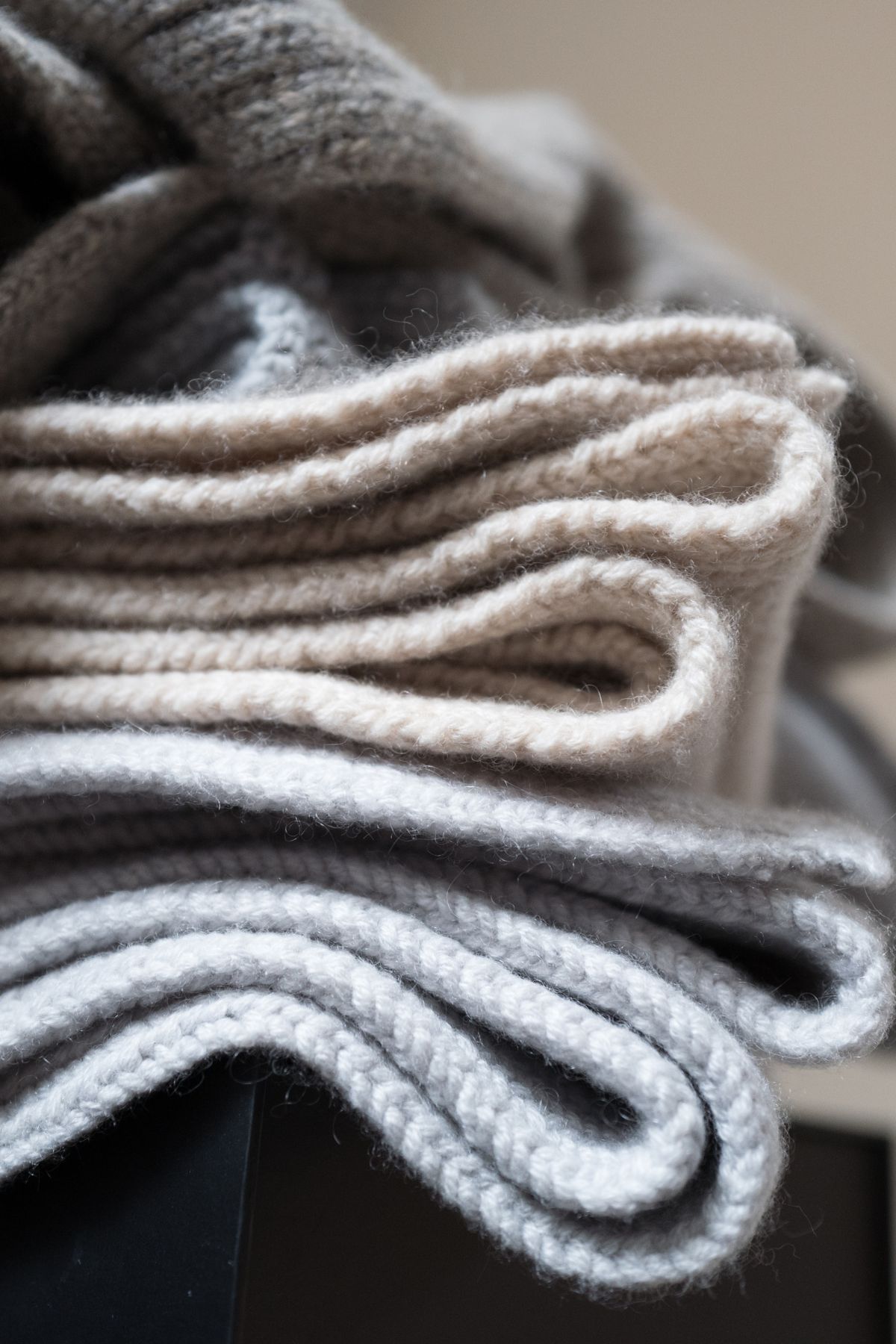
- Blankets– One to cover the body and others folded under the arms for support if desired.
- Eye pillows or light eye covering
- Earbuds if practicing virtually
Teacher note: A trauma-informed teacher will ensure that their students have many ways to settle in and find comfort. Be sure to offer all of these positions to your clients before starting. This script is not meant to substitute for proper yoga nidra training. Yoga nidra is a powerful practice and should be guided by a trained teacher because of the impact this practice has on the subconscious mind, it is a big responsibility and it should not be taken lightly.
About this yoga nidra script
This yoga nidra is designed to offer you a quick practice of deep relaxation. It is not a full-length yoga nidra touching on all 5 koshas or subtle bodies.
However, you will experience being guided through the annamaya kosha (physical/food body) during the rotation of consciousness (body scan) as well as pranamaya kosha (energetic body) during the breath awareness portion of this guided meditation.
You will also rest in silence for a brief moment.
This yogic sleep practice will guide you into a hypnagogic state and complete relaxation while receiving the benefits of yoga nidra.
Free Yoga Nidra Script
Welcome to this yoga nidra meditation for quickly resetting your nervous system.
Begin to find yourself in a comfortable position using any props or pillows that you need to support your body so that you can find ultimate relaxation.
You may lie down in savasana as traditionally practiced or find the best position right for you today. maybe placing a pillow behind the head below the back or underneath the knees, allowing your body to completely sink into relaxation. You can cover your eyes or simply take a soft gaze.
Consider covering yourself with a blanket so you stay cozy and warm as you move deeper into relaxation.
Take a nice deep breath in through the nose for a count of three. Exhale, sight out the mouth for a count of six. Two more times. Inhale through the nose for three. Exhale, sight out the mouth for six. . Inhale (silently count 3)… exhale (silently count 6)…….
Begin to relax the body even deeper. Letting the head become really heavy. So heavy that the neck feels like it can completely relax.
Relaxing your shoulders, mentally relaxing tension in your face. Letting the forehead soften, gently calming down the movements of the eyes. Relaxing your jaw, maybe parting the teeth, and letting the tongue move away from the roof of the mouth. Relaxing the neck and collarbones relaxing your torso and releasing any tension in the hips. Make any final adjustments to your legs, feeling the upper legs, and lower legs completely relax all the way to the toes. The whole body feels supported and able to rest.
Call forth your sankalpa for the practice. Inviting your highest intention or vow, mentally repeating 3 times. If you do not have a sankalpa you are working with, maybe borrow the intention, “I deeply rest and find healing in this practice.”
Moving deeper into the practice, beginning with the rotation of consciousness. As you follow along the body scan allow your awareness to drift from one place to the next.
Bring all of your awareness now to the top of your head. Center of the forehead. Tip of the nose. Air moving in and out the nose. Right eye. Right eyebrow. Right Temple and cheek.
Left Eye. Eyebrow. Temple and cheek.
The tip of the nose. Air moving in and out the nose. Right nostril. Left nostril. Right cheek. Left cheek.
The lips, upper and lower.
Tip of the tongue. The root of the tongue. Center of the throat, hollow pit of the throat.
Center of the chest. Right side of the chest. Right shoulder, right elbow, wrist, palm of the hand, back of the hand, tip of the right-hand thumb, index finger, middle finger, ring finger, little finger.
Right waist, right hip, knee, ankle, bottom of the foot, top of the foot. Right big toe, second toe, third toe, fourth toe, fifth toe.
Moving your awareness to the center of the chest. Left side of the chest. Left shoulder. Elbow. Left wrist. Palm of the hand. Back of the hand. Tip of the left hand thumb, index finger, middle finger, ring finger, little finger.
Left waist. Left hip. Left knee, ankle, bottom of the left foot, top of the foot, left big toe, second toe, third, fourth, fifth toe.
Feel and sense the base of the spine. The low back, mid back, right shoulder blade, left shoulder blade, upper back. Back of the head.
The entire back of the body at once.
The entire front of the body at once.
Feel and sense the whole body.
The whole body at once. Awareness of the whole body. Feeling and noticing all of the body.
Bring your awareness to your breath.
Notice your breath. Feeling and sensing the natural breath moving in and out.
The natural breath without changing or altering the way you breathe.
Can you imagine now, inhaling a golden light through the soles of the feet all the way to the mind’s eye and then exhaling from the mind’s eye to the soles of the feet.
Inhale, soles of the feet to the crown of the head, exhale, natural breath from the crown of the head to the soles of the feet
Continuing this awareness of the natural breath observing the energy and the golden light moving from the soles of the feet to the top of the head all the way back down from the top of the head to the soles of the feet.
Let that go.
Rest here in silence.
Be a witness to the full expansion of your true self. (rest in silence 3-5 minutes)
Welcome back your sankalpa. Mentally repeating three times your heart’s desire or intention or “I deeply rest and find healing in this practice”.
Beginning to become aware of the thoughts and emotions and feelings you have in the body.
Tuning into the breath taking a nice deep breath in through the nose, exhaling deeply.
Feel your body on the support below you. Hearing the sounds around, the sounds in your room. Beginning to sense your surroundings and the things close to you. Take small movements of the body that feel right to you.
And when you’re ready, you may open your eyes slowly.