
Yoga Nidra and Brain Waves: What Really Happens in Your Mind During Deep Rest
If you’ve ever finished a Yoga Nidra session and thought, “What just happened to my brain?”—you’re not alone. Yoga Nidra doesn’t just relax you; it leads your mind through a journey of shifting brain wave states, each with its own purpose and power.
In this post, you’ll learn exactly what brain waves are, how they relate to the stages of Yoga Nidra, and why this practice is such a powerful tool for your nervous system and overall well-being.
Table of contents
What Are Brain Waves?
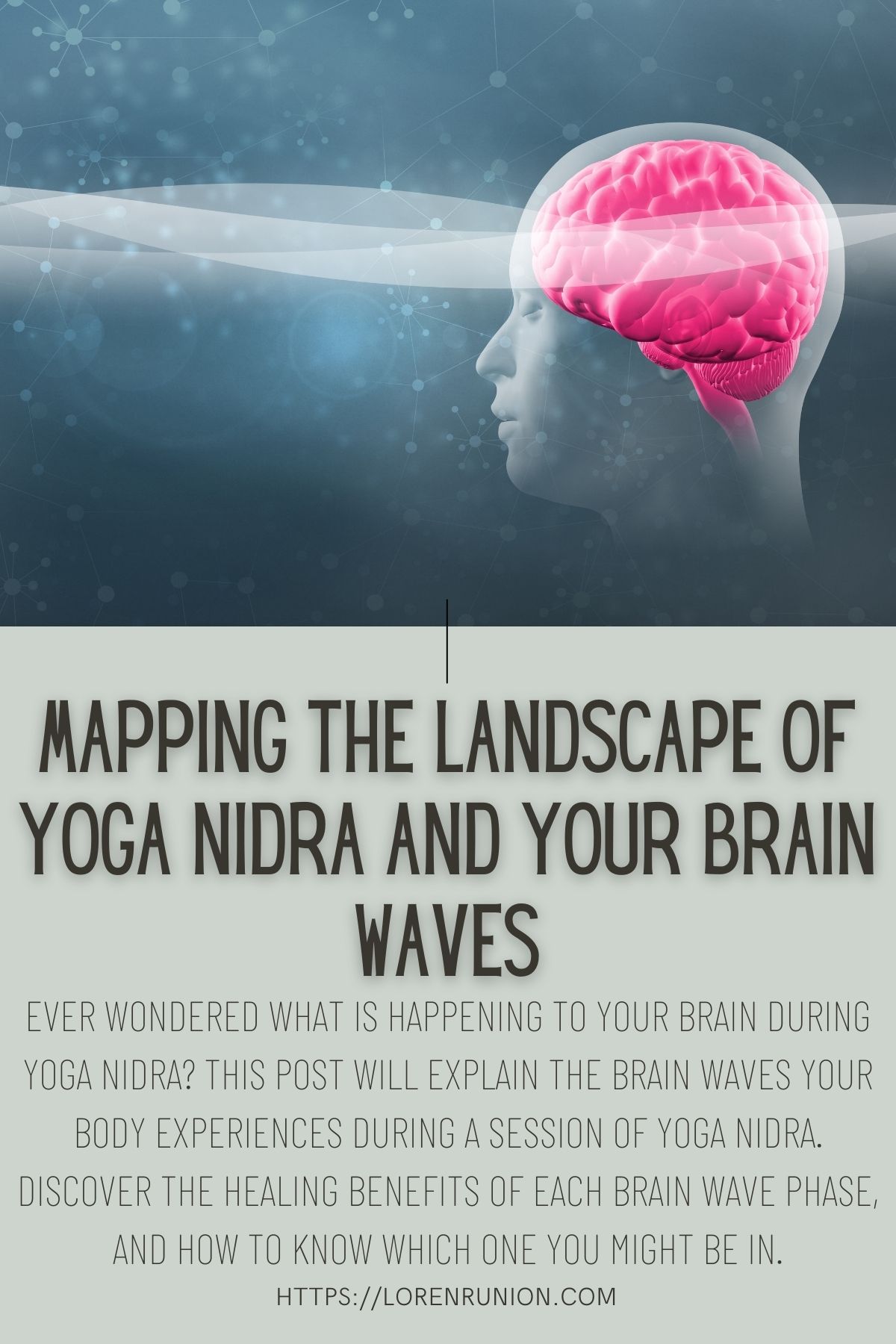
Your brain produces tiny electrical pulses that create rhythmic patterns, called brain waves. These waves change depending on your state of consciousness, from alert and focused to deeply asleep or meditative.
There are five primary types of brain waves:
- Gamma – High-level cognition and processing
- Beta – Wakefulness, thinking, and problem-solving
- Alpha – Relaxed, calm, but awake
- Theta – Deep meditation, creativity, and subconscious access
- Delta – Deep, dreamless sleep and restoration
The Brain Wave Journey of Yoga Nidra
Yoga Nidra gently guides you through a shift in brain wave states—something that doesn’t happen in most traditional meditations.
1. Beta → Alpha
As the practice begins, you move from your normal waking state (Beta) into a relaxed but aware state (Alpha). Your breath slows. Your body starts to let go.
Alpha is the bridge. This is the sweet spot where stress begins to dissolve, and you feel calm yet still conscious.
2. Alpha → Theta
As you move deeper, brain activity slows to Theta waves. This is where true nervous system healing begins. You might:
- Feel like you’re floating
- Have vivid imagery or dreamlike thoughts
- Feel emotions surfacing
Theta is often linked to accessing the subconscious, which is why Yoga Nidra is powerful for shifting beliefs, planting intentions (sankalpa), and even creative inspiration.
3. Theta → Delta
In deep stages of Yoga Nidra (especially longer practices or those for sleep), the brain may slow into Delta, which is the same wave state as non-REM sleep.
You might not be “asleep,” but your brain is in a state of deep restoration, supporting:
- Nervous system repair
- Cellular healing
- Immune function
Why Yoga Nidra Is So Effective for Rest and Reset
- ✅ It slows your brain down systematically
- ✅ It activates your parasympathetic nervous system
- ✅ It provides the benefits of deep sleep—without needing to fall asleep
- ✅ It taps into subconscious reprogramming (via sankalpa)
Unlike traditional meditation that keeps you hovering in Beta or Alpha, Yoga Nidra leads you all the way down to the most restorative brain states—and back up again.
How to Experience This Yourself
To experience these shifts in brain waves firsthand, try one of my Yoga Nidra practices designed specifically to move you through these states:
Even just 10–20 minutes a few times a week can help regulate your nervous system and support better energy, sleep, and emotional balance.
Final Thoughts: Your Brain on Yoga Nidra
Your brain isn’t just zoning out during Yoga Nidra—it’s actively moving through a powerful journey of states that promote calm, clarity, and healing.
Whether you’re looking for better sleep, emotional resilience, or a nervous system reset, Yoga Nidra is more than a relaxation practice—it’s brain training in the best way.


